

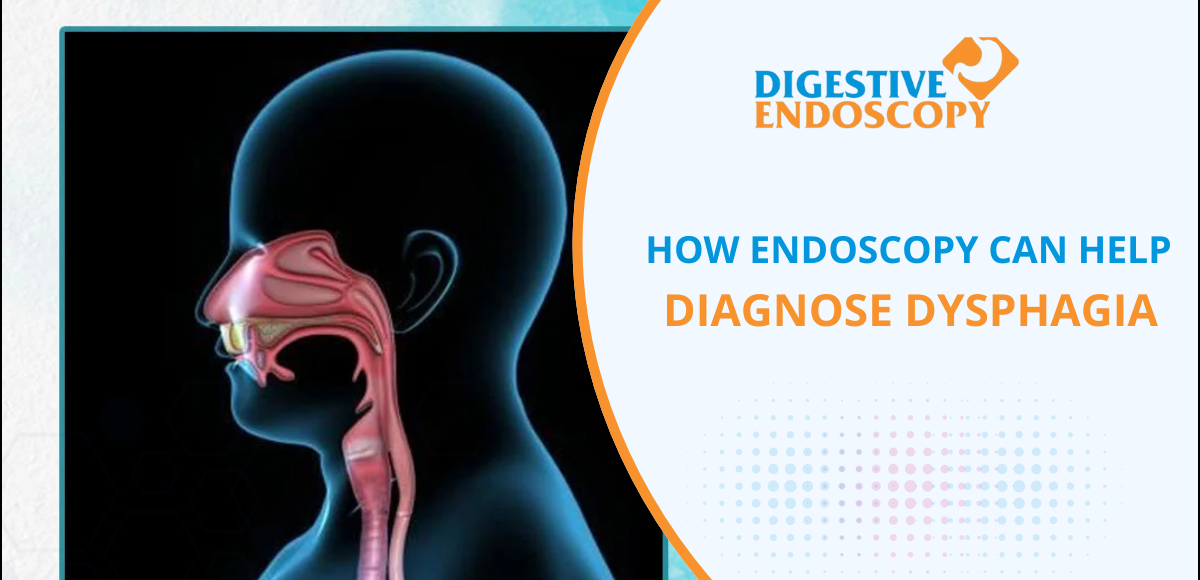
How Endoscopy Can Help Diagnose Dysphagia.
Difficulty swallowing, medically known as dysphagia, is more than just an uncomfortable experience. It can interfere with daily life, nutrition, and overall health. While occasional trouble swallowing may seem harmless, persistent dysphagia often signals an underlying medical condition that needs attention. One of the most effective and reliable tools doctors use to identify the cause of dysphagia is endoscopy.
In this article, we’ll explore how endoscopy helps diagnose dysphagia, what the procedure involves, and why it plays such a crucial role in guiding proper treatment.
Understanding Dysphagia: A Brief Overview
Dysphagia refers to difficulty in moving food or liquids from the mouth to the stomach. It can occur at different stages of swallowing and may feel like food is stuck in the throat or chest. Some people also experience coughing, choking, pain while swallowing, or unexplained weight loss.
Common causes of dysphagia include:
- Esophageal strictures (narrowing)
- Acid reflux and GERD
- Inflammation or infections
- Neurological disorders
- Tumors or growths
- Motility disorders affecting muscle movement
Because dysphagia has many possible causes, accurate diagnosis is essential—and that’s where endoscopy becomes invaluable.
What Is Endoscopy?
Endoscopy is a minimally invasive medical procedure that allows doctors to look directly inside the digestive tract. During an upper endoscopy (also called esophagogastroduodenoscopy or EGD), a thin, flexible tube with a camera and light at the end is passed through the mouth and down the throat.
This procedure enables physicians to examine the:
- Esophagus
- Stomach
- Upper part of the small intestine (duodenum)
For patients with dysphagia, endoscopy provides real-time visual evidence of what might be causing the swallowing difficulty.
How Endoscopy Helps Diagnose Dysphagia
Direct Visualization of the Esophagus
One of the biggest advantages of endoscopy is that it allows doctors to see the esophagus directly. Structural problems such as narrowing, ulcers, inflammation, or abnormal growths can be identified immediately. This direct visualization is far more precise than relying on symptoms alone.
Identifying Esophageal Narrowing and Blockages
Endoscopy is especially effective in detecting:
- Esophageal strictures caused by chronic acid reflux
- Food impactions
- Rings or webs that partially block the esophagus
Once identified, some of these issues can even be treated during the same procedure, reducing the need for additional interventions.
Detecting Inflammation and Infection
Conditions like esophagitis, often caused by acid reflux or infections, can inflame the esophageal lining and lead to dysphagia. Endoscopy helps identify redness, swelling, erosions, or white patches that signal inflammation or infection.
Early detection is key, as untreated inflammation can worsen swallowing difficulties and lead to complications.
Diagnosing Tumors or Abnormal Growths
One of the more serious causes of dysphagia is esophageal cancer or benign tumors. Endoscopy allows doctors to spot suspicious lesions early. If anything unusual is found, a biopsy can be taken during the same procedure for further analysis.
This makes endoscopy a critical tool for early diagnosis, improving treatment outcomes and survival rates.
Biopsy and Tissue Sampling
Endoscopy doesn’t just show what’s happening—it also allows doctors to collect tissue samples. Biopsies are essential for diagnosing conditions such as:
- Barrett’s esophagus
- Eosinophilic esophagitis
- Cancer or precancerous changes
These microscopic findings often explain dysphagia symptoms that may not be obvious from visual inspection alone.
Assessing Muscle Function and Motility Disorders
While endoscopy mainly evaluates structure, it can also provide clues about esophageal motility disorders. If the esophagus appears normal but swallowing issues persist, endoscopy helps rule out structural problems and guides doctors toward further testing like manometry.
What to Expect During an Endoscopy for Dysphagia
Many patients worry about discomfort, but endoscopy is generally safe and well-tolerated. The procedure typically takes 15–30 minutes and is performed under sedation for comfort.
Patients may experience mild throat soreness afterward, but serious complications are rare. Most people can return home the same day and resume normal activities within 24 hours.
Why Endoscopy Is Essential in Managing Dysphagia
Dysphagia should never be ignored, especially if it is progressive or accompanied by weight loss, pain, or choking. Endoscopy provides:
- Accurate diagnosis
- Early detection of serious conditions
- Immediate therapeutic options
- Guidance for long-term treatment plans
By identifying the root cause of swallowing difficulties, endoscopy helps doctors tailor treatments that improve quality of life and prevent complications such as malnutrition or aspiration pneumonia.
Dysphagia can signal serious digestive issues, and early diagnosis is key. Endoscopy helps identify the exact cause and ensures timely, effective treatment.
If you are experiencing ongoing swallowing difficulties, consult an expert endoscopy Specialist in Pune, Dr. Suresh Jain at Digestive Endoscopy Clinic, and schedule your appointment today for accurate diagnosis and trusted care.
FAQs
1. Is endoscopy painful?
No, it is done under sedation, so discomfort is minimal.
2. How long does the procedure take?
An endoscopy usually takes 15–30 minutes.
3. Can endoscopy treat dysphagia?
Yes, some causes can be treated during the same procedure.
4. When is endoscopy recommended for dysphagia?
When swallowing difficulty is persistent or worsening.