

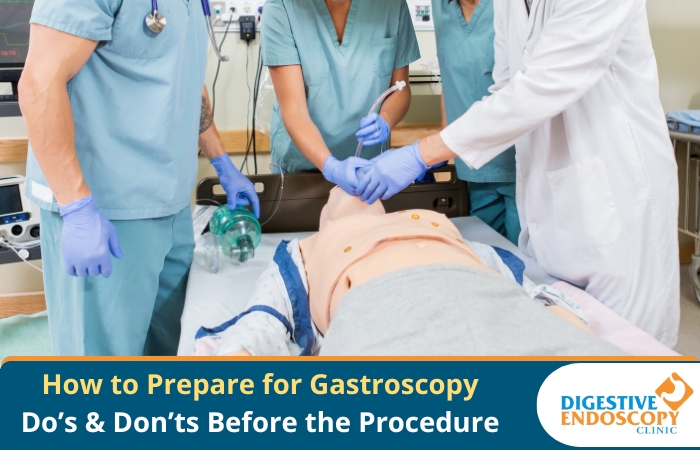
How to Prepare for Gastroscopy: Do’s & Don’ts Before the Procedure
A gastroscopy (or upper endoscopy) is a common diagnostic procedure that allows doctors to examine the lining of your upper digestive tract. Whether you’re experiencing persistent heartburn, abdominal pain, difficulty swallowing, or other digestive symptoms, proper preparation is key to a safe, effective, and comfortable procedure. This guide provides a clear checklist of do’s and don’ts to help you get ready.
Why Preparation Matters
Proper preparation ensures:
- A clear view for the doctor, leading to accurate diagnosis.
- Minimized risk of complications.
- A quicker and more comfortable procedure.
- Reduced need for rescheduling.
The Do’s Before a Gastroscopy
-
DO Follow Fasting Instructions Strictly. This is the most critical rule. You must have an empty stomach so the doctor can see clearly and to prevent vomiting or aspiration during sedation. Typically, you must have nothing to eat for 6-8 hours and no clear liquids for 2-3 hours before the procedure. Your clinic will give you specific timings.
-
DO Inform Your Doctor About Medications. Provide a complete list of all prescription medications, over-the-counter drugs, vitamins, and supplements. You may need to adjust or temporarily stop certain medicines like blood thinners (e.g., warfarin, clopidogrel) or diabetes medications. Never stop medication without your doctor’s explicit instructions.
-
DO Arrange Transportation. You will be given sedation or anesthesia, which will impair your reflexes and judgment for about 24 hours. You must not drive, operate machinery, or make important decisions afterward. Arrange for a responsible adult to drive you home and stay with you for a few hours.
-
DO Wear Comfortable Clothing. Opt for loose, comfortable clothes on the day of the procedure. You’ll be asked to change into a hospital gown, but comfortable attire helps you relax before and after.
-
DO Discuss Concerns with Your Doctor. If you have allergies, are pregnant, or have underlying conditions like heart or lung disease, inform your doctor beforehand. Discuss any anxiety or questions about the sedation or the procedure itself.
The Don’ts Before a Gastroscopy
-
DON’T Eat or Drink After the Deadline. This includes chewing gum, mints, and hard candy. They can stimulate stomach acid and pose a risk.
-
DON’T Smoke or Consume Alcohol. Avoid smoking for at least 12 hours before the procedure, as it can increase stomach acid and interfere with sedation. Avoid alcohol for at least 24 hours prior.
-
DON’T Take Certain Medications Without Guidance. As mentioned, specific medications need to be paused. This commonly includes:
-
Blood Thinners: (e.g., Aspirin, Ibuprofen, Naproxen, Warfarin) – only if advised by your doctor.
-
Diabetes Meds: Insulin or oral hypoglycemics often require dose adjustment.
-
Iron Supplements: Can coat the stomach lining and obscure view.
-
-
DON’T Wear Makeup, Nail Polish, or Jewelry. You may need a clip on your finger to monitor oxygen levels, which nail polish can interfere with. Jewelry should be removed and left at home for safekeeping.
-
DON’T Assume You Can Go Back to Normal Immediately. Plan to take the rest of the day off. You might feel bloated or have a mild sore throat afterward. Give yourself permission to rest and recover.
The Day of the Procedure
Arrive at the clinic or hospital on time with your ID and insurance information. The medical team will review your consent form, insert an IV line for sedation, and monitor your vital signs. The procedure itself usually takes only 10-20 minutes. Afterward, you’ll rest in a recovery area until the sedation wears off before being discharged with your driver.
About Digestive Endoscopy Clinic Rasta Peth, Pune
If you are searching for a gastroscopy in Pune, best endoscopy clinic in Rasta Peth, or gastroenterologist near me for endoscopy, consider the Digestive Endoscopy Clinic. This specialized clinic is renowned for its advanced diagnostic technology and expert team of gastroenterologists who perform gastroscopy and other endoscopic procedures with high precision and patient care.