

When Do You Need ERCP? Symptoms, Diagnosis & Treatment
Have you been dealing with stomach pain that won’t go away, or noticed your skin looking a little yellow lately? These signs can be scary, but they’re your body’s way of telling you something needs attention. One procedure that can help find the answer is ERCP. In this article, we’ll walk you through what ERCP is, the symptoms that may point to it, and how it works.
What Is ERCP?
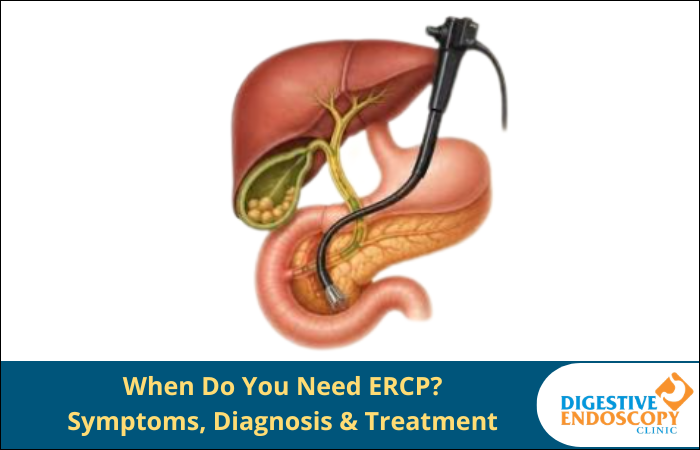
ERCP stands for Endoscopic Retrograde Cholangiopancreatography. That’s a big name for a simple idea: it’s a way for doctors to look inside your bile ducts and pancreatic ducts using a thin, flexible camera combined with X-ray pictures. Unlike a plain scan that only shows pictures, ERCP lets the doctor see the problem and often treat it during the same visit.
How Is ERCP Different From Other Scans?
Ultrasound : shows pictures only, no treatment possible
MRI (MRCP) : gives detailed images but can’t remove blockages
ERCP : combines viewing and treatment in one sitting
7 Symptoms That May Mean You Need ERCP
If you’re wondering whether you need ERCP, here are seven symptoms that often lead doctors to recommend it:
- Yellowing of skin or eyes (jaundice)
- Dark-colored urine or pale, clay-colored stools
- Sudden pain in the upper right side of your belly
- Fever with chills
- Feeling sick or throwing up after eating fatty food
- Itchy skin that won’t settle down
- Losing weight without trying
When Should You See a Doctor Immediately?
If you have fever, pain, and yellow skin all at once, don’t wait. This combination can point to an infection in the bile duct, and it needs quick attention.
What Causes These Symptoms?
Several conditions can lead to the symptoms above, and ERCP helps find out which one you’re dealing with:
- Gallstones stuck in the bile duct
- Narrowing (stricture) of the bile duct
- Pancreatitis (swelling of the pancreas)
- Growths or tumors in the pancreas or bile duct
Gallstones are common — studies suggest they affect a large share of adults at some point in their lives, especially as we get older. Many people don’t even know they have them until symptoms show up.
How Is ERCP Performed?
Before the Procedure
You’ll be asked to fast for several hours before ERCP. Your doctor will also review your medicines, especially blood thinners, and explain what to expect.
During the Procedure
You’ll be given medicine to help you relax or sleep through it. A thin tube with a camera goes through your mouth, down to the part of your intestine near the bile duct. A special dye is injected, and X-ray pictures are taken to spot blockages or stones. If needed, the doctor can remove stones or place a small tube (called a stent) to keep the duct open — all in the same sitting.
After the Procedure
Most people rest for a few hours before going home. You may feel a bit bloated or have a mild sore throat, but this usually passes quickly. Your doctor will share results and next steps once your reports are ready.
Is ERCP Safe? Common Questions Patients Ask
Many patients feel nervous before their first ERCP, and that’s completely normal. The procedure has been used for decades and is considered a routine part of care for bile duct and pancreas problems. As with any procedure, there are small risks like a sore throat or, rarely, pancreas swelling — this is why choosing an experienced gastroenterologist matters.
ERCP as Both a Diagnostic and Treatment Tool
What makes ERCP stand out is that it does two jobs at once. While a scan only shows what’s wrong, ERCP allows your doctor to fix many issues right then — removing stones, opening blocked ducts, or placing stents — without a separate surgery.
Frequently Asked Questions
Q1. How long does an ERCP procedure take?
Most ERCP procedures take between 30 minutes to an hour, depending on what the doctor finds.
Q2. Is ERCP painful?
You’re given sedation, so you won’t feel pain during the procedure. Some mild throat discomfort afterward is normal.
Q3. How soon will I get my results?
Your doctor can often share initial findings right after the procedure, with full reports following shortly after.
Q4. Can ERCP remove gallstones without surgery?
Yes. ERCP can remove many bile duct stones without open surgery, which usually means a quicker recovery.
Q5. What is the recovery time after ERCP?
Most patients go home the same day or the next day and return to normal activities within a couple of days.
Q6.Is ERCP safe for older patients?
Yes, ERCP is commonly performed on older patients, though your doctor will review your health history first.
Take the First Step Toward Better Gut Health
If you have been putting off getting checked, now is the time to stop waiting. A sigmoidoscopy is a short, simple procedure that can give you real answers — and real peace of mind.
Digestive Endoscopy Clinic in Pune, founded by Dr. Suresh Jain, offers trusted gastroenterology care for patients across Pune. Dr. Jain and his team take the time to understand your symptoms, explain your options clearly, and make sure you feel comfortable every step of the way.
📞 Book your consultation today and take charge of your digestive health.
🌐 Visit: digestiveendoscopyclinic.com